
Follow along with the video below to see how to install our site as a web app on your home screen.
Note: This feature may not be available in some browsers.


 web.archive.org
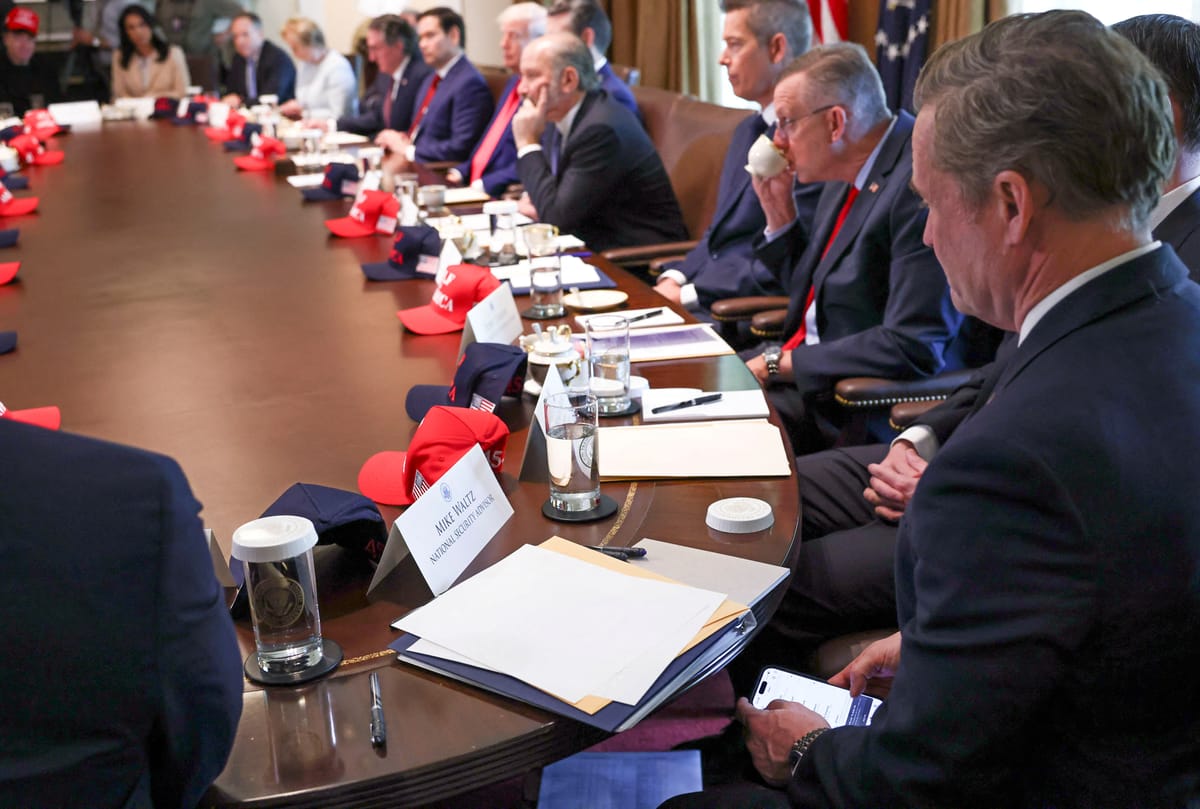
A hacker has breached and stolen customer data from TeleMessage, an obscure Israeli company that sells modified versions of Signal and other messaging apps to the U.S. government to archive messages, 404 Media has learned. The data stolen by the hacker contains the contents of some direct messages and group chats sent using its Signal clone, as well as modified versions of WhatsApp, Telegram, and WeChat. TeleMessage was recently the center of a wave of media coverage after Mike Waltz accidentally revealed he used the tool in a cabinet meeting with President Trump.
The hack shows that an app gathering messages of the highest ranking officials in the government—Waltz’s chats on the app include recipients that appear to be Marco Rubio, Tulsi Gabbard, and JD Vance—contained serious vulnerabilities that allowed a hacker to trivially access the archived chats of some people who used the same tool. The hacker has not obtained the messages of cabinet members, Waltz, and people he spoke to, but the hack shows that the archived chat logs are not end-to-end encrypted between the modified version of the messaging app and the ultimate archive destination controlled by the TeleMessage customer.
Data related to Customs and Border Protection (CBP), the cryptocurrency giant Coinbase, and other financial institutions are included in the hacked material, according to screenshots of messages and backend systems obtained by 404 Media.
The breach is hugely significant not just for those individual customers, but also for the U.S. government more widely. On Thursday, 404 Media was first to report that at the time U.S. National Security Advisor Waltz accidentally revealed he was using TeleMessage’s modified version of Signal during the cabinet meeting. The use of that tool raised questions about what classification of information was being discussed across the app and how that data was being secured, and came after revelations top U.S. officials were using Signal to discuss active combat operations.

 ridiculous